Physical Address
304 North Cardinal St.
Dorchester Center, MA 02124
Physical Address
304 North Cardinal St.
Dorchester Center, MA 02124

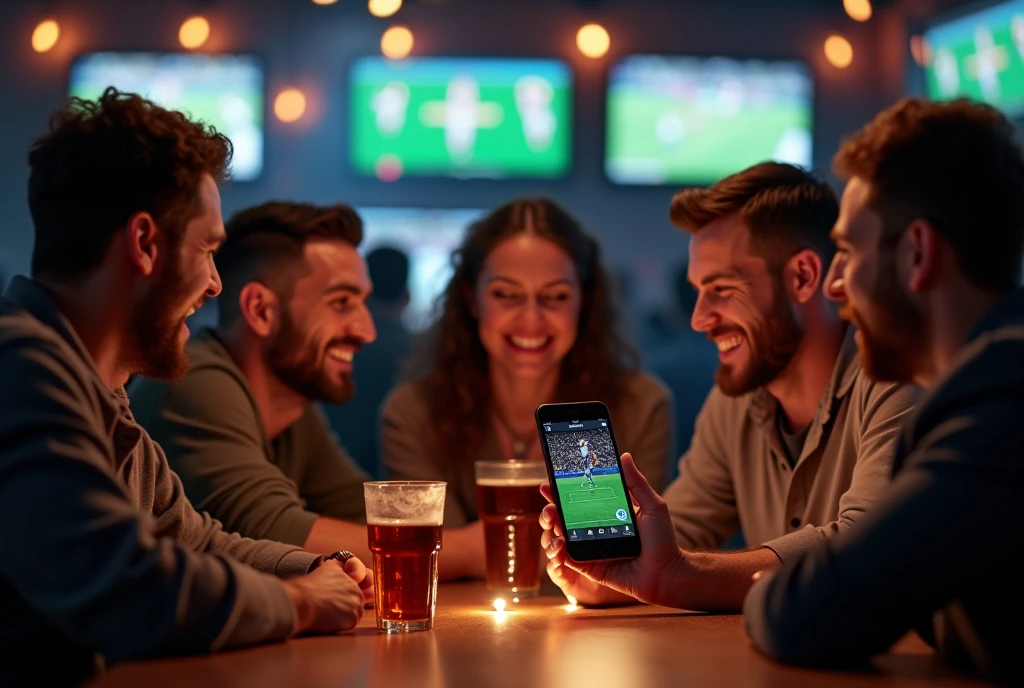
A Sunday slate ends, scores lock, and the group chat lights up within seconds. One manager wins by 3.2 points after a late interception, another loses because a bench player goes off, and plans shift right there in the thread. Someone suggests meeting, another checks who’s out, a third opens maps and starts scanning what’s still active nearby, and within minutes the conversation slides from stats to logistics, from waiver claims to where to go, including the kind of impulsive late queries people make in that moment like escorts, because the night is already moving and no one is building a plan from scratch anymore, they are reacting to the result that just happened.
Results Drive Immediate Decisions
Fantasy leagues turn passive watching into active stakes. A single result changes the tone of the night and often the location.
In leagues with 10–12 players, at least 40 percent of participants engage in some form of post-game activity weekly. Data from sportsbook-linked fantasy platforms shows peak messaging between 10:15 PM and midnight on Sundays. That window overlaps directly with nightlife decision-making. The result is not delayed planning. It is instant reaction tied to outcome.
Group Chats Replace Traditional Planning
Structured plans used to happen earlier in the day. Fantasy leagues remove that step. The group chat becomes the control center.
A typical pattern looks like this: one message proposes a bar, two confirm, one suggests another spot closer, and the rest follow the majority. No one checks full menus or reads long reviews. The first workable option wins. This compresses decision cycles and pushes people toward areas with dense options like downtown clusters.
Money Changes Night Behavior
Fantasy leagues with entry fees increase emotional intensity. Even small stakes, around $50–$200 per season, affect how people behave after games.
This creates uneven spending patterns within the same group. One person orders rounds, another holds back, a third suggests moving locations to change the mood. The night becomes an extension of the league, not separate from it.
Location Choice Follows League Dynamics
Where fans go is rarely random. It reflects the structure of the league itself.
In cities with concentrated nightlife zones, this behavior becomes visible. Groups move together, check scores mid-conversation, and shift locations if the environment does not match the energy of the result. The choice is not about quality. It is about alignment with the moment.
Conflict Inside the Group
Competition introduces friction. That tension often carries into the night.
These conflicts do not stop people from meeting. They reshape interaction. Two managers who argued earlier may still show up but avoid direct conversation. Another player might dominate the discussion after a win, shifting the group dynamic. The social layer becomes more complex, not less.
Short Decision Windows Define the Night
Fantasy-driven nights follow compressed timelines.
Most groups make two location changes in a single night. Rarely more. Each move is faster than the previous one. The longer the night continues, the less structured the decisions become. By the second or third stop, the group is reacting to immediate surroundings rather than planning ahead.
 The Role of Visibility and Momentum
What people see in real time matters more than what they planned earlier.
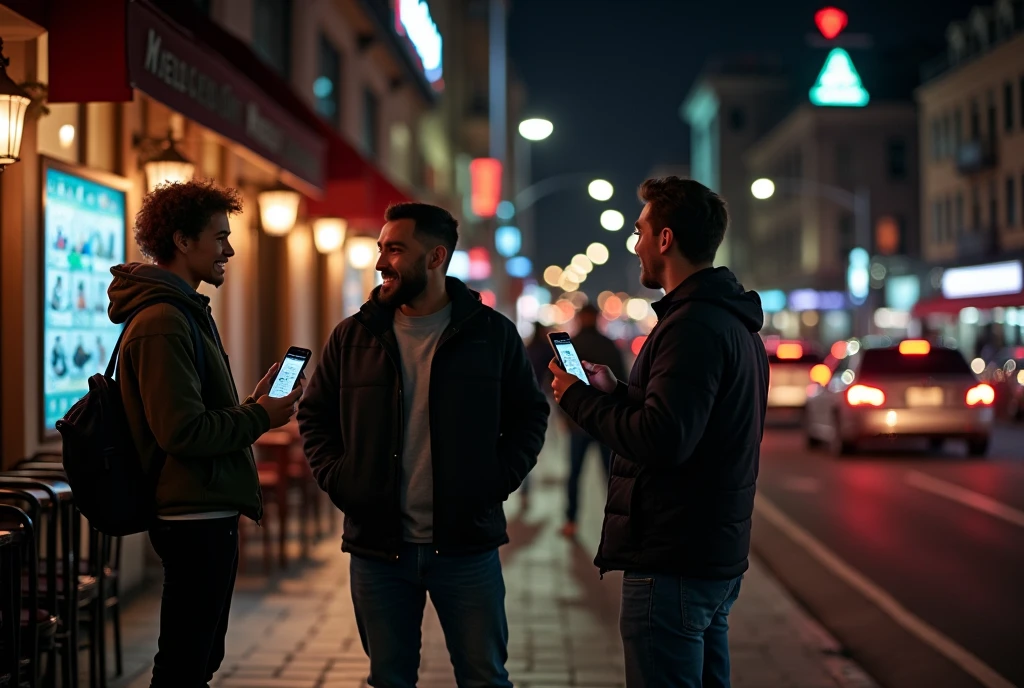
A venue with average ratings but visible energy will outperform a quieter, higher-rated option. Fantasy league groups respond quickly to these signals because they are already in a reactive mindset. They follow momentum rather than resisting it.
Why Fantasy Leagues Extend the Night
Without fantasy leagues, many fans would end their day after the games. The added layer of competition extends engagement.
Over a full season, this pattern creates dozens of additional social nights. It changes not just when people go out, but how they decide where to go. The league becomes a trigger, not just a background activity.
The Pattern Behind the Behavior
The structure is consistent across leagues and cities.
There is no long-term plan in this sequence. It runs on short cycles and visible signals. That is why the same group can behave differently each week, even with identical members.
The night does not start with intention. It starts with a result. The rest follows quickly, without pause, shaped by competition, proximity, and the need to stay in motion.
