Physical Address
304 North Cardinal St.
Dorchester Center, MA 02124
Physical Address
304 North Cardinal St.
Dorchester Center, MA 02124

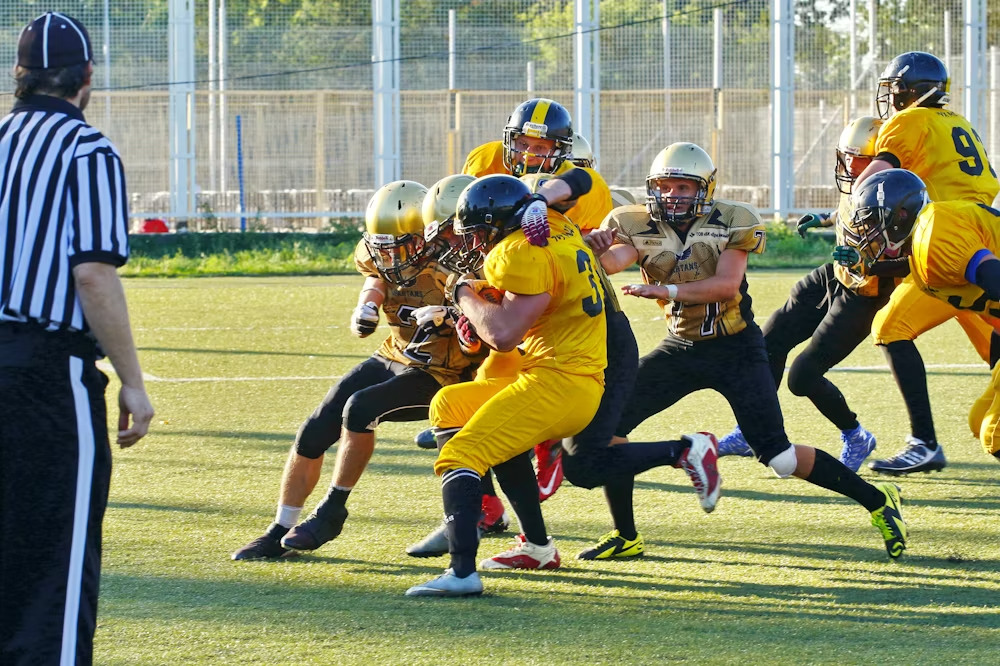
Fantasy football used to reward patience, set your lineup in the preseason and hope the projections held. That world is gone. Today’s game moves at the speed of alerts, sideline reports, and instant stat feeds. Matchups shift in real time, and every minute brings new information that can shape your choices.
Modern fantasy success isn’t about guessing who might shine. It’s about reading how each game unfolds in the moment. Real-time insights give managers clarity, confidence, and a sharp strategic edge. When you stay plugged into what’s happening on the field, you stop reacting late and start making smarter, timely decisions.
Nothing changes a fantasy matchup faster than the unexpected. A backup running back gets a surprising workload. A wide receiver suddenly leads the team in targets. A quarterback starts airing it out after a slow first quarter. These are moments that reveal far more than a static projection ever could.
Live data, snap counts, touches, routes, and red-zone involvement, quickly shows which players are trending upward. It becomes easier to predict who might exceed their projected stat lines rather than relying on preseason expectations. Many managers compare these real-time indicators with expert projections on FanDuel when making “more or less” decisions, turning raw information into clear, confident strategy.
Small trends matter. A running back earning more early-down work than expected often signals a shift in a team’s approach. A receiver seeing a spike in targets suggests a quarterback’s trust. These clues help you move faster than the competition.
Real-time shifts on the field often change a player’s outlook far more quickly than any pregame projection.
Matchups rarely play out exactly as they look on paper. A “top-five” defense may struggle with slot coverage, or a strong run unit might suddenly lose battles at the line. Managers who monitor these shifts gain clearer direction on weekly decisions. Live breakdowns, blown coverages, soft run lanes, mismatched personnel, quickly reveal which players have the best path to producing. When a defense starts losing one-on-one matchups, the player facing that weakness becomes far more appealing.
Weather updates play an equally important role. High winds disrupt deep passing, rain affects ball control, and cold conditions reduce kicking reliability. These real-time factors guide more informed lineup decisions rather than last-second scrambling. A quick weather check often reveals whether a player’s projected output is likely to rise or dip.
Game pace adds another layer. Fast tempos produce more plays, which means more opportunity for fantasy scoring. Slow, clock-draining drives reduce potential production.
Watching pace unfold throughout a game helps you anticipate whether projected stat lines are more likely to be met or missed. A manager who tracks all three elements, defense, conditions, and pace, can adjust with confidence long before the box score catches up.
Late-breaking updates can make or break a matchup. Managers who monitor news in the final hour before kickoff consistently outperform those who set lineups in the morning and never look back.
Injury alerts are the most important. A player who tweaks a hamstring in warmups, a late scratch due to illness, or news of a snap-count limitation, these updates dramatically redefine expectations. Timely adjustments protect your lineup from empty stat lines and let you make smart, fast substitutions.
Coaching updates influence performance as well. A change in play-calling responsibilities or a shift in offensive emphasis often becomes visible during the first few drives. When a coordinator decides to lean on the run or pepper a certain receiver with targets, you can adapt in real time.
Trade movement and depth chart adjustments also create opportunities. A newly acquired player may step into a larger role immediately. A backup getting starter reps at practice midweek often signals a bigger role on Sunday. Managers who monitor these shifts position themselves to make well-informed choices with confidence.
Real-time updates make those final moments before kickoff feel less like guesswork and more like informed decision-making.
Several real-time cues can guide your weekly choices and bring more clarity to tough lineup decisions:
Managers who look ahead with the same mindset often check upcoming NFL games and props to anticipate future matchups and prepare with confidence.
Fantasy football rewards managers who understand trends before they become obvious. Real-time insights help you separate temporary flashes from meaningful, long-term patterns.
Some players rack up big stats through sheer volume, while others show efficient play that signals breakout potential before it appears on the box score. By monitoring metrics such as expected fantasy points, red-zone involvement, and consistent usage, you can identify emerging storylines and adjust accordingly.
A real-time mindset also encourages flexibility. Instead of clinging to preseason narratives, you adapt quickly as team dynamics evolve. This approach leads to better weekly decisions and a stronger foundation for postseason success.
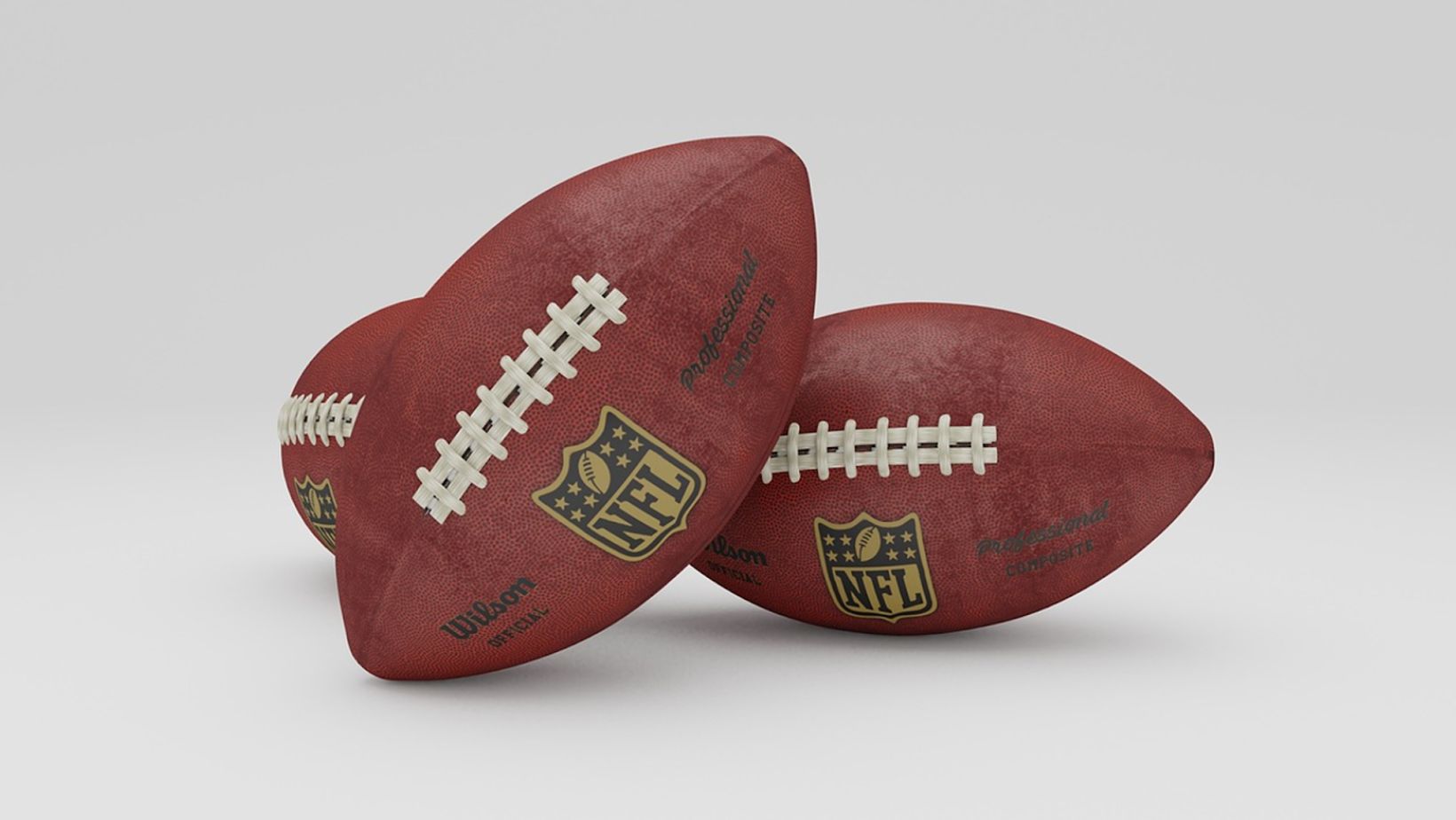
Fantasy football becomes far more engaging and far more strategic when you embrace real-time insights. The flow of live data, matchup shifts, and breaking news offers constant opportunities to strengthen your lineup and stay ahead of your league.
Managers who pay attention feel more prepared, make more deliberate decisions, and enjoy the game with greater confidence. When you understand what’s happening on the field as it unfolds, you stop hoping for the best and start playing with purpose.
*Content reflects information available as of 25/11/2025; subject to change