Physical Address
304 North Cardinal St.
Dorchester Center, MA 02124
Physical Address
304 North Cardinal St.
Dorchester Center, MA 02124

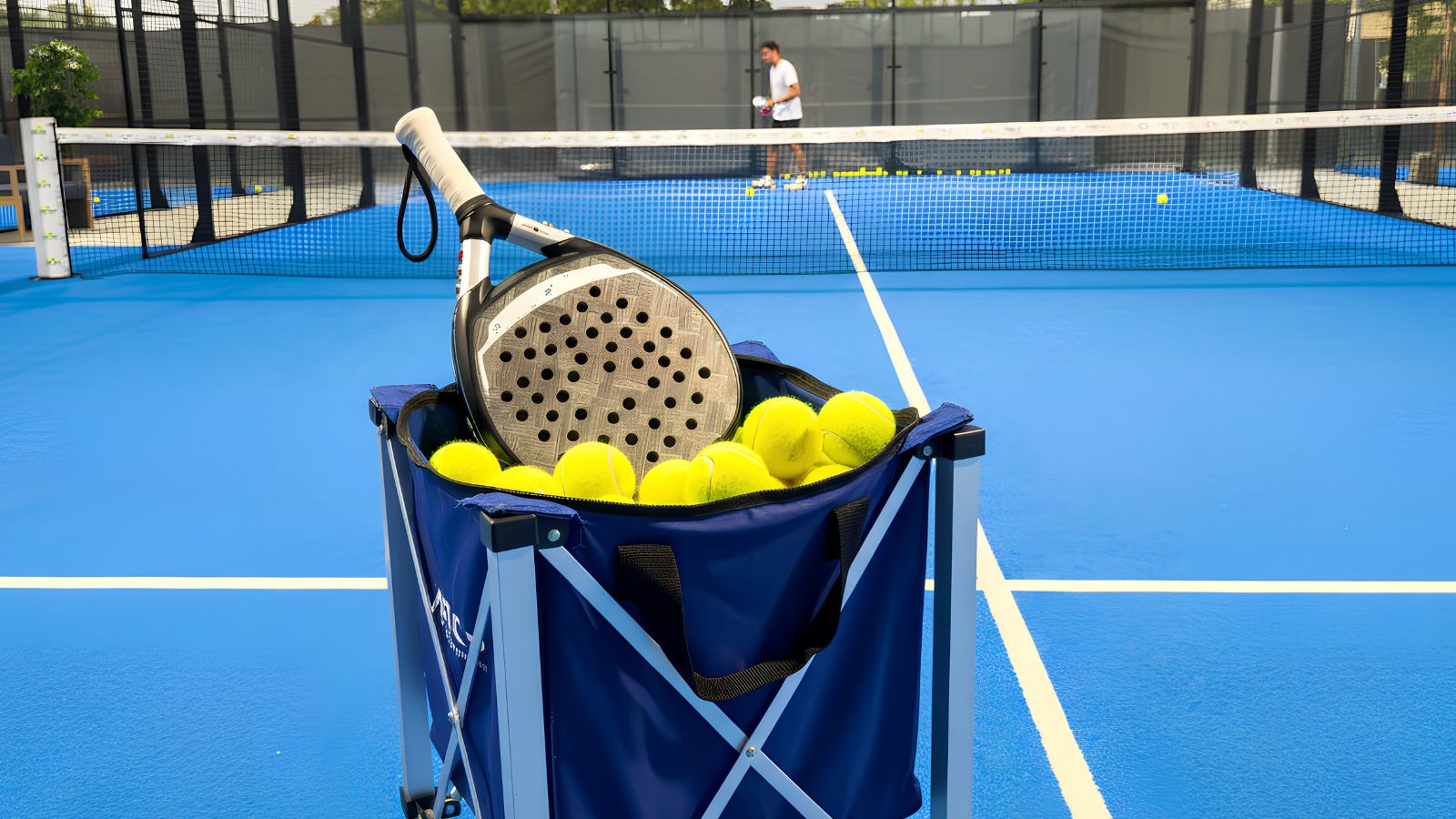
Little things shift outcomes in tennis more than expected. Skill matters, sure – yet so does gear athletes bring onto the court. A racquet’s shape changes how shots fly; shoe grip alters quick turns mid-rally. Comfort grows when tools match movement style. Power transfers better through well-chosen frames. Wrong picks? They slow reactions without warning. Equipment shapes play just as much as practice does.
Picture a game where gear quietly steers success – tennis tools do just that, guiding results whether you’re starting out or have played for years.
Faster rackets now slice through air like never before, yet materials quietly adapt beneath a player’s grip. Spinning the ball lands deeper in corners because strings behave differently these days. Power arrives easier, not just from muscle but from smart tweaks hidden in frames.
Racquets for tennis? They’ve shifted a lot lately. Thanks to slimmer builds using lighter stuff, along with smarter string setups and frames shaped by fresh thinking, power now comes easier – yet precision stays put. Because of these tweaks, rallies move quicker, moments feel livelier, play grows sharper.
Shoes grip the court better when they fit right, improving how fast you move. Movement flows easier with gear that supports your body instead of fighting it. Strings tuned just so change how clean each strike feels off the racket face. What you wear matters too – fabric either helps sweat escape or traps heat unfairly. Each piece links to another, like parts in a quiet machine working without noise.
Heavy in the head, some rackets drive the ball far even on weak swings. Yet precision often lives in lighter frames, where small moves shape sharp angles. Instead of brute force, finesse thrives through steady handling. Direction beats speed when placement matters more than pace.
What works best changes with how someone plays. Power-focused rackets tend to suit aggressive styles. On the flip side, those who play defense gain an edge with greater precision. Balance shifts depending on personal approach.
Swinging a racquet feels different depending on its heft. When it’s light, control comes quicker, helping new players or those who move fast. Instead of speed, heavier models give steadier hits with stronger force behind each stroke. Yet they demand more muscle and sharper form to manage well.
A good choice of Tennis Racquest weight helps players stay steady during extended play, keeping effort low even when tired. What matters most is how it feels over time, not just at first swing.
A different way to look at strings? It is about how they cross on the racket face. When spaces between them are wider, the ball grabs more grip – this boosts spin potential. Tighter layouts hold up longer under hard hits while sharpening shot accuracy.
When players favor topspin, they usually go for racquets strung openly – this setup boosts spin while making shots more effective.
Moving well on the court matters a lot in tennis; good footwear changes how you play. Built for the game, these shoes offer grip plus balance whatever the surface underfoot. Each design choice focuses on keeping players steady during quick shifts.
When footwear works well, balance gets better – sudden turns happen easier, control stays steady through fast exchanges. Outcomes shift because of it, particularly when points are tight and every step counts.
Most players ignore strings, yet these thin cords shape a racket’s voice. What happens at impact shifts depending on what they’re made of. Tightness plays a role too – looser setups change pace and response. Each detail tweaks how the ball answers after collision.
A tighter string setup gives better command of the ball, yet delivers weaker launch. Looser strings whip harder when hit, just not always where intended. What works best depends on how someone actually swings and moves.
Some today’s tennis rackets can be adjusted, so players try various string patterns. Because of this option, they fine-tune how they play depending on who they face.
Few realize how crucial clothes are when stepping onto a court. Built for motion, these garments keep players moving without restriction. Comfort follows naturally when fabric works with the body, not against it.
Moving air through the material keeps things cool, so tiredness doesn’t set in. With stretchy shapes, athletes go where they need, unblocked.
Out on the court, what you wear shapes how you move – fabric built to stretch keeps up without holding back. Confidence often shows up in small details, like a collar that stays crisp after hours under sun or shade. Style sneaks into play when seams sit just right, letting motion feel natural instead of forced. Appearance matters more than some think, not because looks win points directly, but because standing tall begins with feeling settled in your skin. Equipment choices echo personality, revealing readiness before a single ball gets hit.
Holding solid gear might just shift how someone sees the game unfolding ahead.
A good racket feels right in your hand, so attention stays on play instead of slipping gear. When everything fits, thoughts don’t wander to blisters or broken strings.
When everything feels intense, a sharp mind often decides the outcome. Not always strength, sometimes clarity under stress shapes success. Pressure reveals who stays focused. Quiet thinking beats panic every time. Results shift when calm overrides chaos.
A single point can shift everything when the game hangs in balance. What players carry onto the court matters most right then.
A single twist of the wrist with a balanced racket adds sharp spin, which pushes returns off target. When footing stays secure through court-specific soles, lunges become reachable even under pressure.
A single shift in string tightness might tip the balance during key moments. When tuned just right, control sharpens, errors fade – players find themselves one step ahead without changing technique.
Equipment tuned just right lets a player move faster, hit cleaner. Winning comes easier when every piece works like it should.
Every little thing counts when you play Tennis Equipment, yet gear makes a big difference in how matches unfold. Racquets might come first to mind, still shoes matter just as much during quick moves. Strings affect control, even though many overlook their impact at first glance. Apparel shapes comfort, while movement stays smooth through long rallies. Each piece fits into the bigger picture, because performance lives in these choices.
Starting out or already got some matches under your belt, having gear that fits your game makes a real difference these days on the court. Though skill matters most, what you wear and wield shapes how well you move and respond when things get fast. Even small details – like grip size or shoe tread – can shift how steady you feel during long rallies. When choices align with play style, performance tends to follow without extra effort. Success often hides in the setup before the first serve even flies.
