Physical Address
304 North Cardinal St.
Dorchester Center, MA 02124
Physical Address
304 North Cardinal St.
Dorchester Center, MA 02124

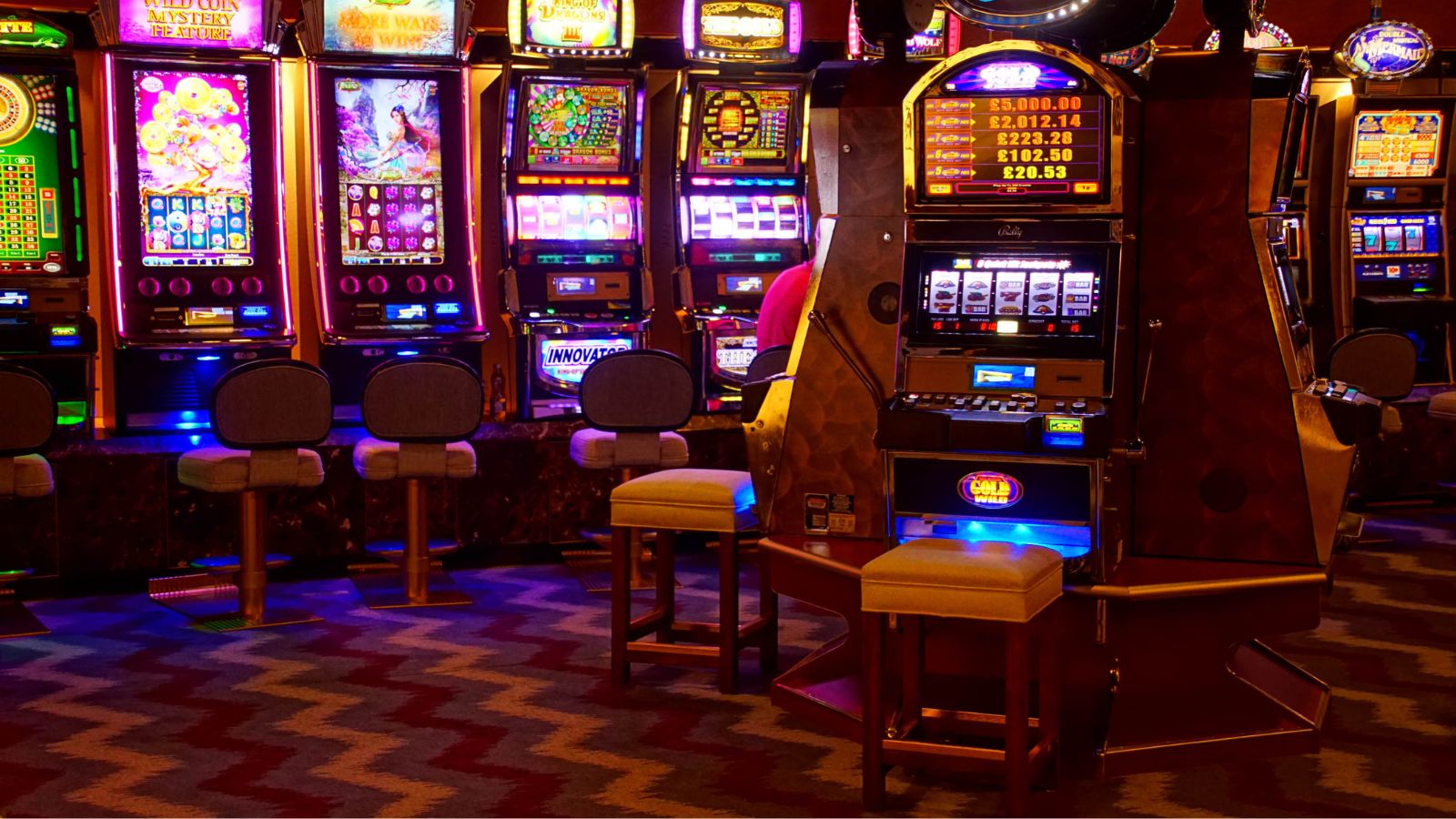
The slot machine industry has reached unprecedented heights in 2025, generating global revenues of $205.3 billion—a 7.8% increase from 2024. Mobile slots now account for 63% of all online gambling activity, with the average player spending 4.2 hours weekly on these platforms. Furthermore, AI-powered personalization has boosted player retention by 32% over the last year, creating tailored experiences based on individual playing patterns.
Digital slots have become increasingly sophisticated, with 89% now featuring some form of blockchain integration for transparent payouts. Moreover, the industry has seen a 24% growth in augmented reality slot experiences since 2023, allowing players to transform their surroundings into immersive casino environments. In addition, biometric verification systems have become standard in 91% of online slot platforms, reducing fraud attempts by 47% compared to traditional password systems.
The story of slot machines like the ones you can find at VegasNow Casino begins in 1891, when New York inventors Sittman and Pitt created what many consider the first gambling machine. This early device contained five drums holding 50 poker cards and cost a nickel to play. Players would pull a lever, and if a good poker hand appeared, they could win prizes like free drinks or cigars from the establishment. However, these machines had no direct payout mechanism.
The true breakthrough came in 1895 when Charles August Fey, a San Francisco mechanic, created the Liberty Bell—widely recognized as the first true slot machine. Unlike its predecessors, the Liberty Bell featured:
Fey’s invention was revolutionary because it could automatically dispense coins for winning combinations. The highest payout came from lining up three Liberty Bells, which awarded 10 nickels (50¢). The machine’s popularity exploded, though Fey refused to sell or license his invention, preferring to operate the machines himself through a rental arrangement with saloons.
In 1902, slot machines were officially banned in many states. To circumvent these laws, manufacturers began creating machines that dispensed candy or gum instead of coins. Herbert Mills introduced the Operator Bell in 1907, which began the tradition of using fruit symbols on the reels:
These fruit machines awarded flavored gum corresponding to the symbols that lined up. For example, if three cherry symbols appeared, the player would receive cherry-flavored gum. Therefore, even during gambling prohibition, these machines could operate legally as vending devices rather than gambling machines. The BAR symbol, now iconic in slot design, originated from the Bell-Fruit Gum Company logo.
For nearly 60 years, slot machines remained fully mechanical, operated by pulling a lever that physically set the reels in motion. However, everything changed in 1963 when Bally developed the first fully electromechanical slot machine called Money Honey.
Money Honey retained the familiar lever (mainly for nostalgic reasons) but replaced the internal mechanical components with electrical systems. This innovation allowed for:
The electromechanical era brought major advancements in player experience. Consequently, by 1970, the familiar lever had become largely ornamental, with most machines switching to button operation for starting games. In addition, this period saw the introduction of the first progressive jackpots, where a small percentage of each wager contributed to a growing prize pool.
The next revolutionary step occurred in 1976 when the first video slot machine was developed by Fortune Coin Co. in California. Using a modified 19-inch Sony TV for the display, these machines initially faced player skepticism. Many gamblers distrusted the invisible digital reels, preferring the tangible mechanical ones they could see spinning.
After testing at the Las Vegas Hilton Hotel and receiving Nevada Gaming Commission approval, video slots gradually gained acceptance. In 1978, IGT (International Game Technology) acquired Fortune Coin and accelerated development of video slot technology.
The 1980s and 1990s brought significant innovations to slot machines:
| Year | Innovation | Impact | Player Benefit |
| 1982 | Multiple paylines | Increased winning opportunities | More exciting gameplay |
| 1986 | Progressive systems linking machines | Larger jackpots | Life-changing prize potential |
| 1991 | Bonus rounds | Added gameplay depth | Extended play value |
| 1994 | First online slots | Remote gambling access | Convenience |
| 1996 | Second-screen bonuses | Interactive mini-games | Enhanced entertainment |
These innovations transformed slot machines from simple gambling devices into entertainment experiences. Furthermore, the introduction of virtual reels allowed game designers to create slots with seemingly impossible odds—machines could now have symbols that appeared rarely on physical reels.
The internet transformed the slot machine industry forever. The first online casinos launched in 1994, with the first online slots appearing shortly after. By 1998, the first online progressive jackpot slot—Cash Splash by Microgaming—was offering networked prizes that grew with every bet placed worldwide.
The advantages of online slots quickly became apparent:
Moreover, online slots could offer payout percentages of 95-97%, compared to physical casino slots that typically returned 85-90% to players. For example, a 2025 analysis by GamingMetrics shows that the average online slot now returns 96.4% to players over time, while the average physical casino slot returns 91.2%.
The smartphone revolution created yet another transformation for slot machines. By 2010, mobile slots were becoming increasingly popular, and by 2025, they will dominate the market. Today’s mobile slots feature:
The latest frontier in slot machine evolution is virtual reality (VR) and augmented reality (AR). In 2025, VR slots account for 18% of digital gambling revenue, up from just 3% in 2022. These immersive experiences transport players to detailed casino environments where they can:
As we look toward the future, several trends are emerging. Blockchain technology is creating provably fair slot games where players can verify the randomness of outcomes. Artificial intelligence is personalizing the gaming experience, adjusting difficulty and rewards based on player behavior.
Perhaps most significantly, the line between video games and slot machines continues to blur. New hybrid games incorporate elements of skill alongside chance, appealing to younger generations raised on interactive entertainment rather than passive gambling.
The humble slot machine has come an extraordinary distance from Charles Fey’s Liberty Bell. From mechanical marvels to digital experiences, from saloon curiosities to multibillion-dollar industry drivers, these games have continuously reinvented themselves while maintaining their essential appeal—the thrill of the spin and the hope for a jackpot.
